Owning Your Games Has Become More Important Than Ever
For decades, borrowing and sharing video games has been a fundamental part of the gaming experience, but that reality is rapidly slipping away. With Sony deciding to end physical disc production in January 2028, while PlayStation 6 and Xbox’s Project Helix are reportedly dropping disc drives altogether, the industry is accelerating toward a digital-only future where true ownership is replaced by Digital Rights Management: effectively a long-term loan that publishers can revoke at any moment. For various reasons, sometimes legal, sometimes financial, this reality has already sent beloved titles like Spec Ops: The Line, Deadpool, and Super Mario Maker into near-extinction.
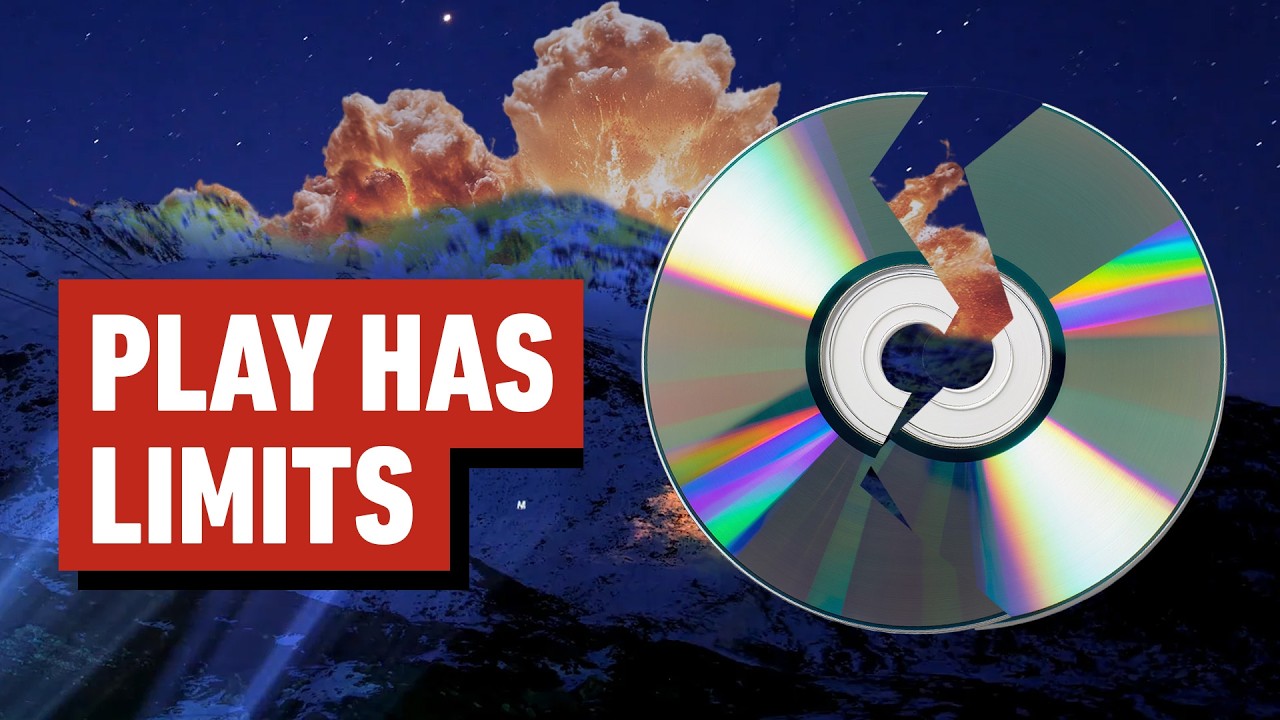
The death of the physical disc doesn't just impact your shelf; it threatens to destroy the entire second-hand market ecosystem built around retailers like GameStop and CEX. However, a digital future doesn't have to mean the end of player autonomy. By looking toward anti-DRM storefronts like Good Old Games (GOG), pioneering peer-to-peer digital marketplaces, or supporting boutique physical publishers like Limited Run Games, players can still fight to keep real ownership alive. As hardware costs rise and companies push the boundaries of monetisation, how we respond to these corporate shifts will ultimately define whether PlayStation’s slogan "Play Has No Limits" remains true, or if we will simply play within narrowly defined digital prisons.
The death of the physical disc doesn't just impact your shelf; it threatens to destroy the entire second-hand market ecosystem built around retailers like GameStop and CEX. However, a digital future doesn't have to mean the end of player autonomy. By looking toward anti-DRM storefronts like Good Old Games (GOG), pioneering peer-to-peer digital marketplaces, or supporting boutique physical publishers like Limited Run Games, players can still fight to keep real ownership alive. As hardware costs rise and companies push the boundaries of monetisation, how we respond to these corporate shifts will ultimately define whether PlayStation’s slogan "Play Has No Limits" remains true, or if we will simply play within narrowly defined digital prisons.

IGN
The latest game reviews, trailers, and walkthroughs from the #1 games media company.
As the leading source for gaming news on the net, IGN.com brings you the inside scoop on what's hot in the world of videogames and entertainment. Tune in, turn on, game...