The 21-Mile Channel Controlling Global Gas Prices
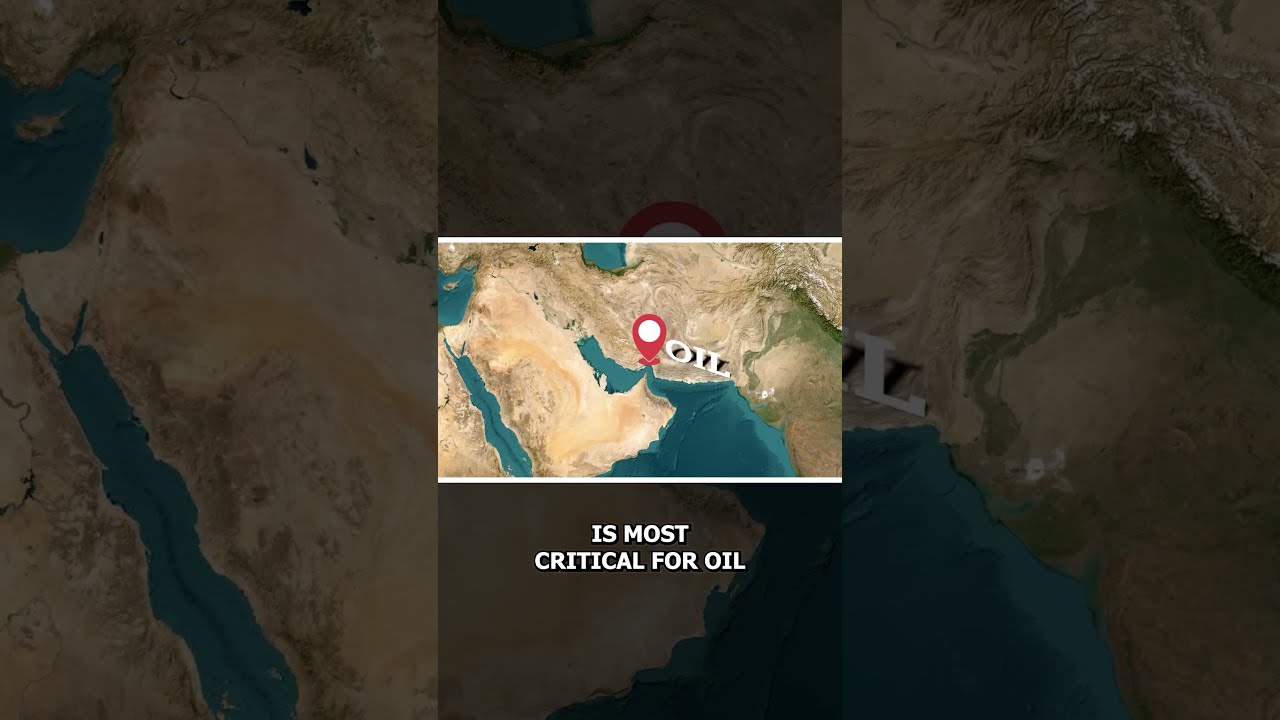
The Strait of Hormuz represents the most vital maritime choke point on Earth, positioning itself as a narrow 21-nautical-mile gateway between Iran and Oman that connects the oil-rich Persian Gulf to the open ocean. Everyday commercial traffic relies heavily on this constrained waterway, where roughly 15 to 20 massive supertankers transit continuously to move over 21 million barrels of crude oil daily. Accountable for nearly twenty percent of total global petroleum consumption, any operational disruption across this maritime passageway instantly triggers severe price spikes at consumer gas pumps worldwide.
Navigational complexity in the strait is further amplified by its extremely restrictive geography, forcing massive commercial vessels to squeeze through active shipping lanes that narrow down to just two miles in width per direction. While global maritime trade relies on critical passages like the Suez and Panama Canals, the Strait of Hormuz remains uniquely essential due to the concentration of major energy producers surrounding the Persian Gulf, including Saudi Arabia, Iraq, Kuwait, the United Arab Emirates, and Iran. Because these export-dependent nations rely almost exclusively on sea routes, the strait functions as an irreplaceable bottleneck for world energy security.
#StraitOfHormuz #MaritimeLogistics #OilTanker #GlobalEconomy #CasualNavigation
Navigational complexity in the strait is further amplified by its extremely restrictive geography, forcing massive commercial vessels to squeeze through active shipping lanes that narrow down to just two miles in width per direction. While global maritime trade relies on critical passages like the Suez and Panama Canals, the Strait of Hormuz remains uniquely essential due to the concentration of major energy producers surrounding the Persian Gulf, including Saudi Arabia, Iraq, Kuwait, the United Arab Emirates, and Iran. Because these export-dependent nations rely almost exclusively on sea routes, the strait functions as an irreplaceable bottleneck for world energy security.
#StraitOfHormuz #MaritimeLogistics #OilTanker #GlobalEconomy #CasualNavigation

Casual Navigation
Your Window Into The Maritime World
Casual Navigation creates content that explores many different aspects of the maritime industry, with the aim of making it fun and interesting for anyone to enjoy.
We publish new videos on the Second and Last Friday o...