The Engineering Behind Modern Warship Bows
Naval aircraft carriers rely on extreme bow flare to support wide flight deck overhangs while preventing green water from washing over critical launch and recovery areas in heavy seas. By dramatically expanding the deck footprint above a slender waterline hull, the flared geometry ensures high-speed hydrodynamic efficiency alongside maximal flight deck surface area and vertical wave clearance.
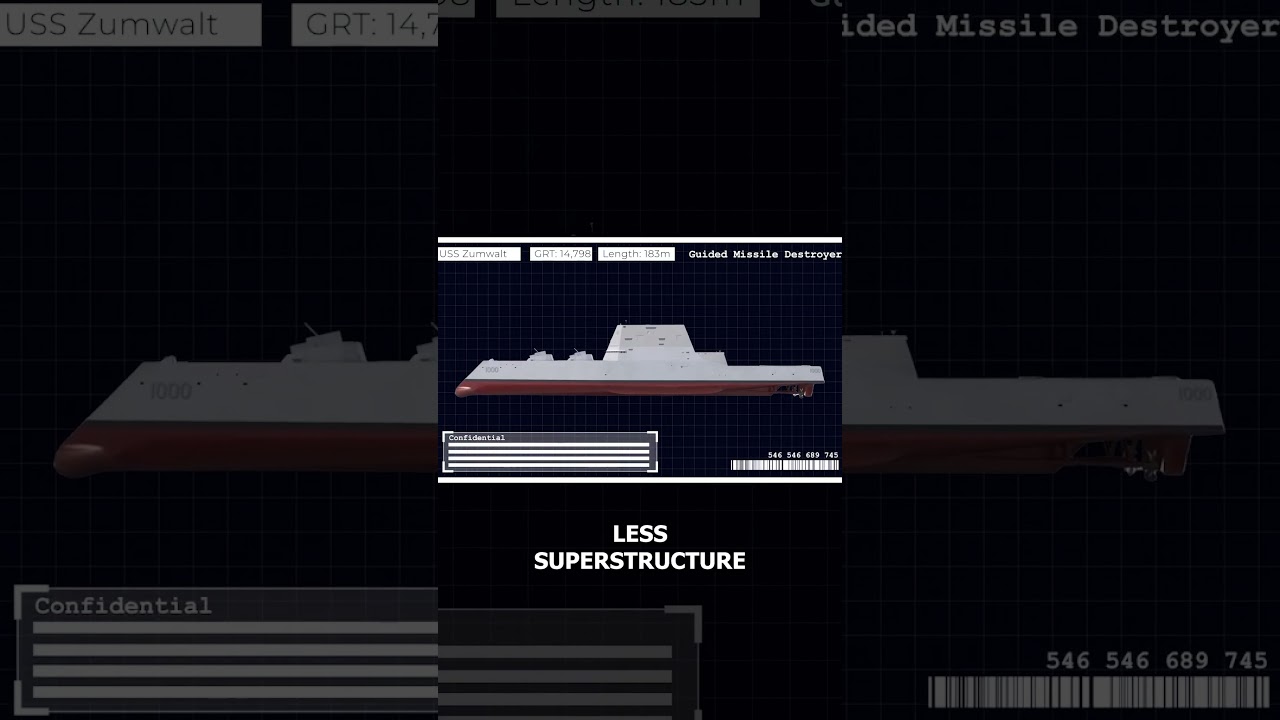
Conversely, modern stealth destroyers prioritize low radar cross-section (RCS) over deck space, re-adopting tumble home geometry with outward-angled facets. The sharply sloped hull faces deflect incoming high-frequency radar pulses upward into the atmosphere rather than reflecting them directly back to source receivers, significantly reducing the warship's acoustic and electromagnetic signatures.
#ShipEngineering #NavalArchitecture #WarshipTech #RadarStealth #CasualNavigation
Conversely, modern stealth destroyers prioritize low radar cross-section (RCS) over deck space, re-adopting tumble home geometry with outward-angled facets. The sharply sloped hull faces deflect incoming high-frequency radar pulses upward into the atmosphere rather than reflecting them directly back to source receivers, significantly reducing the warship's acoustic and electromagnetic signatures.
#ShipEngineering #NavalArchitecture #WarshipTech #RadarStealth #CasualNavigation

Casual Navigation
Your Window Into The Maritime World
Casual Navigation creates content that explores many different aspects of the maritime industry, with the aim of making it fun and interesting for anyone to enjoy.
We publish new videos on the Second and Last Friday o...