Why Ship Bows Aren't Built the Same
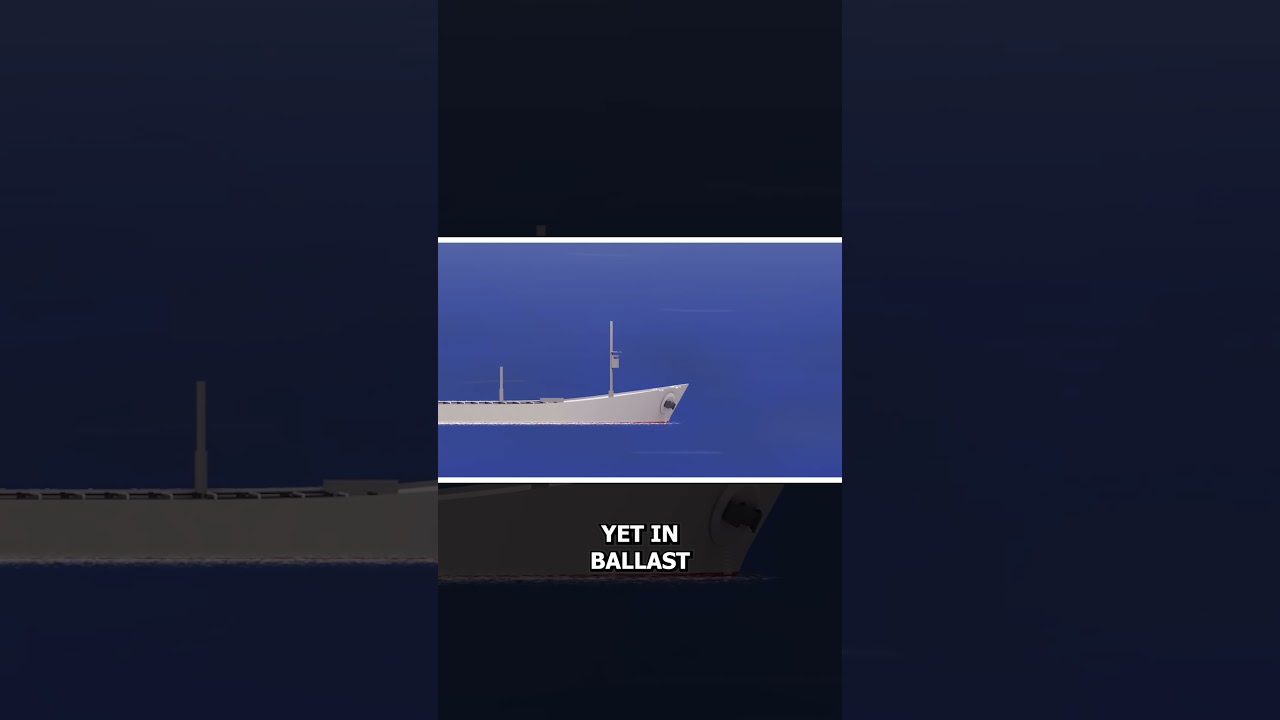
Naval architects tailor bow flaring to a vessel's operational priorities, creating stark design differences between passenger liners, crude freighters, and specialized carriers. Ocean liners engineered for rough sea transits utilize prominent bow flaring to achieve high hydrodynamic speeds while providing a smooth, comfortable ride for passengers. In contrast, heavy crude oil tankers operate across extreme draft variations, ranging from over 25 meters when fully laden to less than half that in ballast, leaving little vertical hull clearance above the waterline to build flared structures.
When cargo is lightweight, as with car carriers, naval architects exploit high freeboard hulls above the waterline to install extensive bow flare. This outward expansion dramatically increases upper deck footprint area, enabling shipbuilders to construct multi-story superstructures that protect light vehicle cargo from seawater spray while maximizing internal volume.
#ShipEngineering #NavalArchitecture #ShipDesign #HowShipsWork #CasualNavigation
When cargo is lightweight, as with car carriers, naval architects exploit high freeboard hulls above the waterline to install extensive bow flare. This outward expansion dramatically increases upper deck footprint area, enabling shipbuilders to construct multi-story superstructures that protect light vehicle cargo from seawater spray while maximizing internal volume.
#ShipEngineering #NavalArchitecture #ShipDesign #HowShipsWork #CasualNavigation

Casual Navigation
Your Window Into The Maritime World
Casual Navigation creates content that explores many different aspects of the maritime industry, with the aim of making it fun and interesting for anyone to enjoy.
We publish new videos on the Second and Last Friday o...