How Scientists Explore the Deepest Parts of the Ocean
Oceanographic research vessels operate as advanced floating laboratories equipped to study physical ocean currents, thermal
stratification, water chemistry, and marine biology across global basins. Carrying sophisticated sensors, water sampling
rosettes, and deep-sea submersibles like Alvin, these ships gather physical data from the surface down to extreme abyssal
depths.
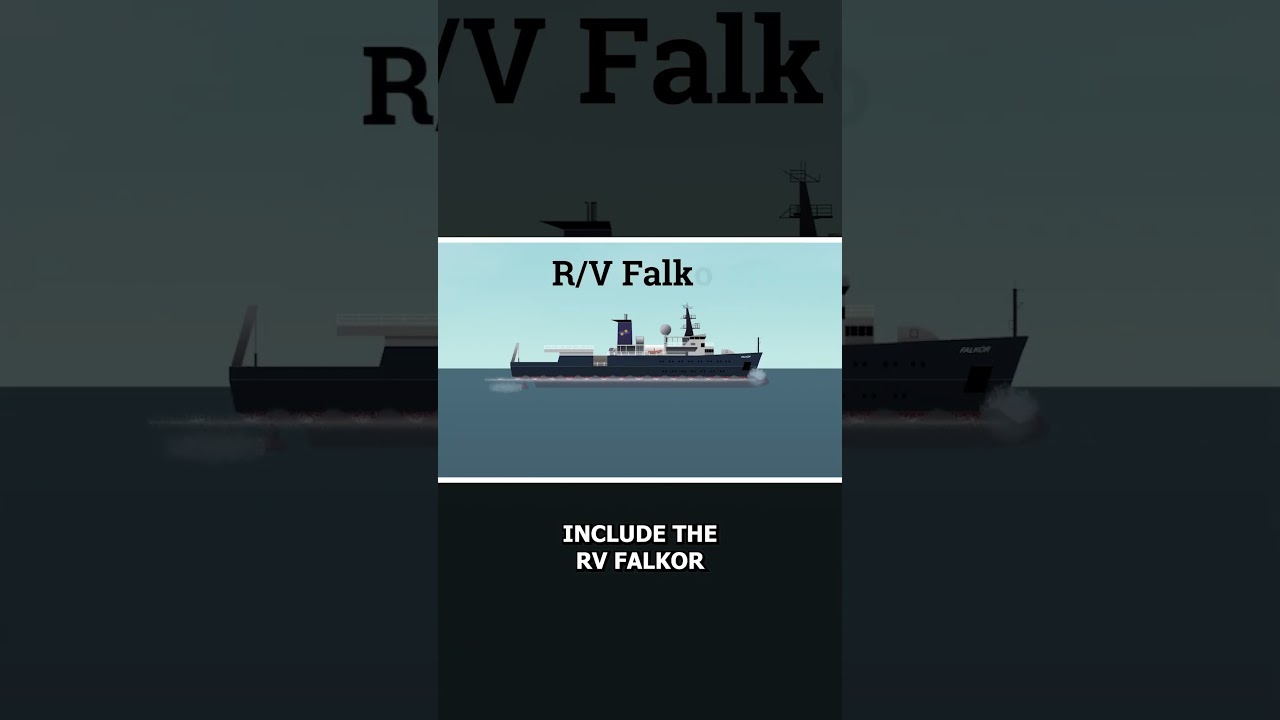
Discoveries made aboard landmark vessels such as the RV Falkor have transformed our understanding of global climate
regulation, deep-sea hydrothermal ecosystems, and historic underwater shipwrecks.
#Oceanography #DeepSeaExploration #MarineScience #ClimateResearch #CasualNavigation
stratification, water chemistry, and marine biology across global basins. Carrying sophisticated sensors, water sampling
rosettes, and deep-sea submersibles like Alvin, these ships gather physical data from the surface down to extreme abyssal
depths.
Discoveries made aboard landmark vessels such as the RV Falkor have transformed our understanding of global climate
regulation, deep-sea hydrothermal ecosystems, and historic underwater shipwrecks.
#Oceanography #DeepSeaExploration #MarineScience #ClimateResearch #CasualNavigation

Casual Navigation
Your Window Into The Maritime World
Casual Navigation creates content that explores many different aspects of the maritime industry, with the aim of making it fun and interesting for anyone to enjoy.
We publish new videos on the Second and Last Friday o...