Why Ships Create Their Own Speed Limit
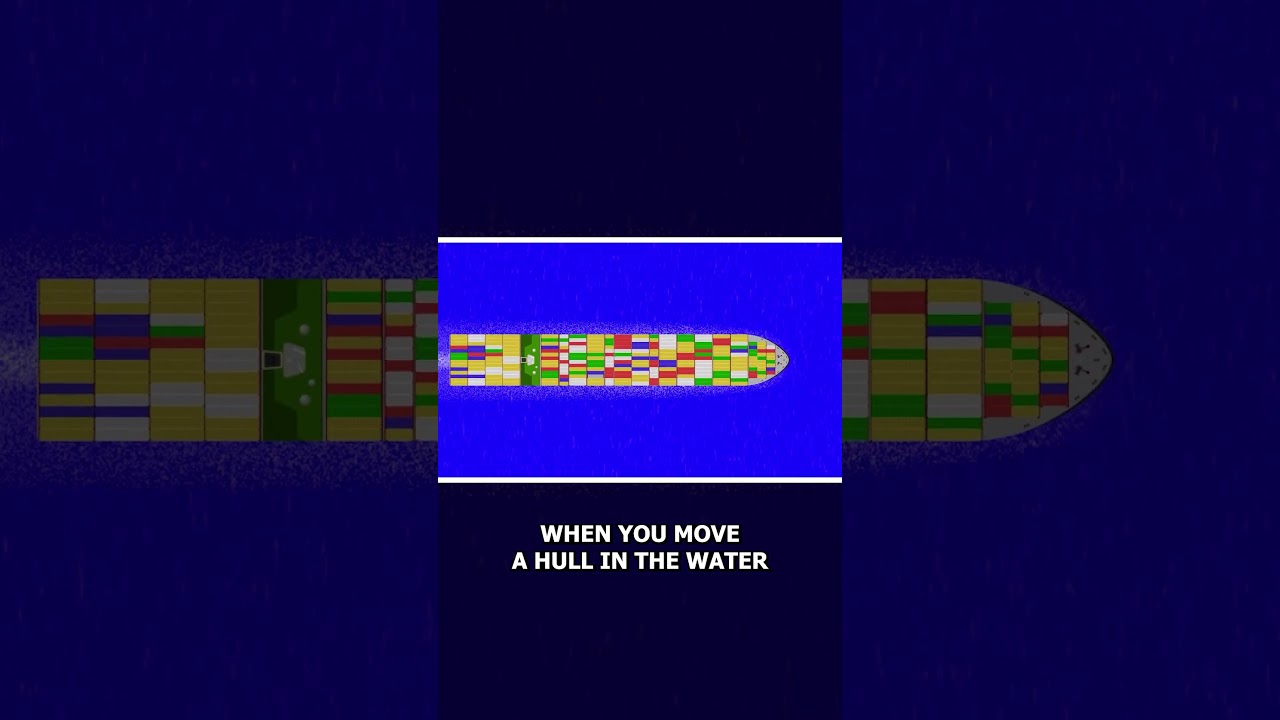
Moving a ship hull through the ocean generates two distinct fluid wave systems caused by water displacement. As the vessel pushes water aside at the bow, a primary wave peak is created, while a corresponding wave trough forms at the stern as water rushes in to fill the expanding void behind the moving hull.
As vessel speed increases, these surface wave patterns stretch out proportionately, directly linking ship velocity to longer physical wavelengths. At specific speed thresholds, the bow and stern wave systems interact through constructive interference, creating a massive trailing wash that significantly alters hydrodynamic drag across the hull.
#ShipEngineering #Hydrodynamics #NavalArchitecture #HowShipsWork #CasualNavigation
As vessel speed increases, these surface wave patterns stretch out proportionately, directly linking ship velocity to longer physical wavelengths. At specific speed thresholds, the bow and stern wave systems interact through constructive interference, creating a massive trailing wash that significantly alters hydrodynamic drag across the hull.
#ShipEngineering #Hydrodynamics #NavalArchitecture #HowShipsWork #CasualNavigation

Casual Navigation
Your Window Into The Maritime World
Casual Navigation creates content that explores many different aspects of the maritime industry, with the aim of making it fun and interesting for anyone to enjoy.
We publish new videos on the Second and Last Friday o...