The Warning Marker That Couldn't Stop an Oil Disaster
While international collision regulations (COLREGs) govern how ships maneuver around one another on the open sea, they do not provide crucial information regarding underwater hazards, shallow channels, or navigational boundaries. To safely navigate confined waterways, bridge crews rely on physical aids to navigation and buoyage systems that define safe passages and highlight environmental dangers.
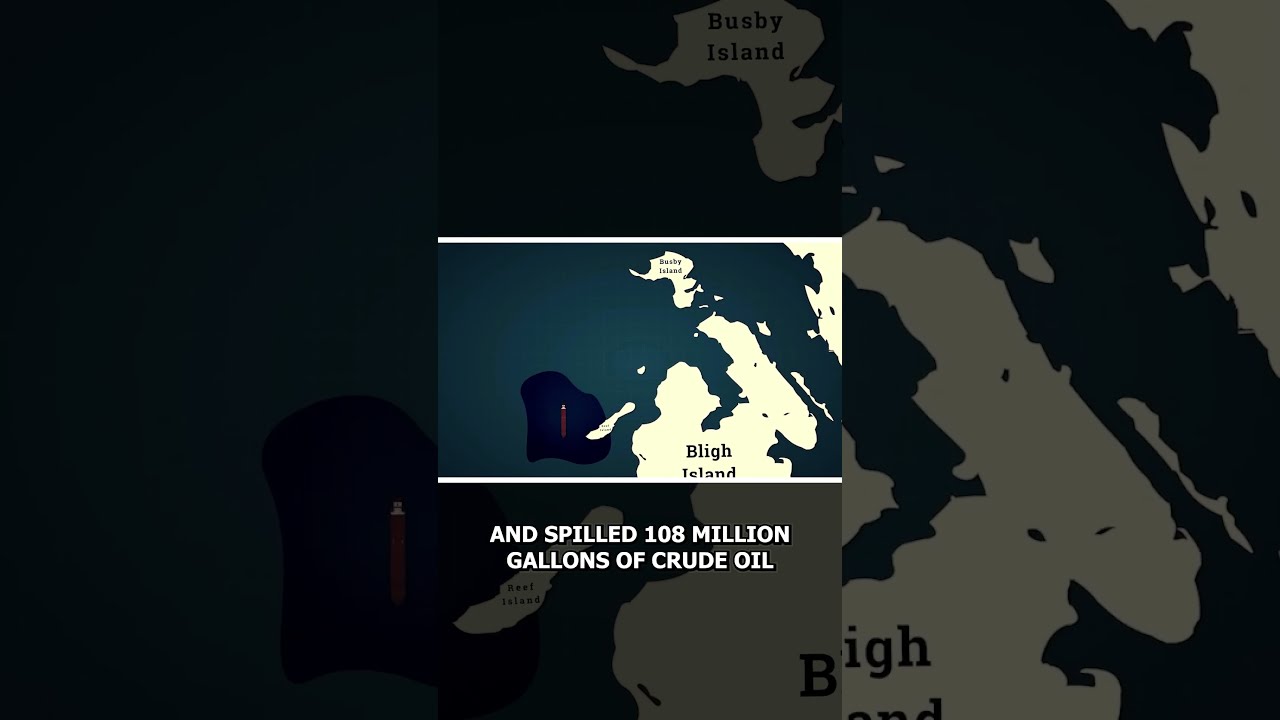
The catastrophic 1989 Exxon Valdez oil spill tragically demonstrated the critical importance of acting promptly on buoy indications. Although the lookout correctly identified the Bligh Reef marker off the starboard bow, which indicated the tanker was off course and heading directly toward shallow rocks, delayed helm action caused the vessel to strike the reef and release over ten million gallons of crude oil into Prince William Sound.
#MaritimeNavigation #COLREGs #ExxonValdez #ShipEngineering #CasualNavigation
The catastrophic 1989 Exxon Valdez oil spill tragically demonstrated the critical importance of acting promptly on buoy indications. Although the lookout correctly identified the Bligh Reef marker off the starboard bow, which indicated the tanker was off course and heading directly toward shallow rocks, delayed helm action caused the vessel to strike the reef and release over ten million gallons of crude oil into Prince William Sound.
#MaritimeNavigation #COLREGs #ExxonValdez #ShipEngineering #CasualNavigation

Casual Navigation
Your Window Into The Maritime World
Casual Navigation creates content that explores many different aspects of the maritime industry, with the aim of making it fun and interesting for anyone to enjoy.
We publish new videos on the Second and Last Friday o...