How a Safety Loophole Almost Destroyed This Cruise Ship
Post-incident investigations revealed that the rapid spread of the fire occurred because open balconies were historically categorized as open deck spaces. This regulatory loophole exempted them from strict combustibility standards and internal fire detection systems, allowing flames to bypass vertical fire bulkheads and tear along the outer hull.
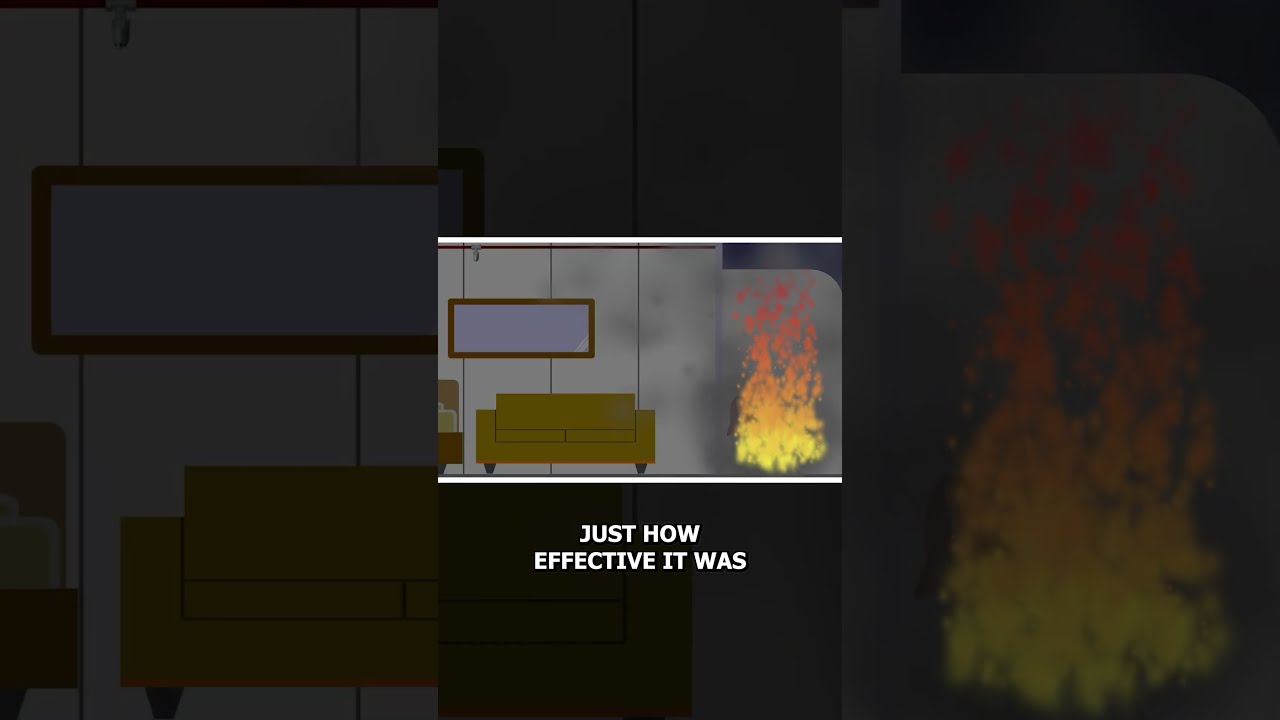
Despite these structural vulnerabilities, the internal high fog mist system performed far beyond its official design limits, protecting over 2,000 square meters instead of its rated 160 square meters. The system maintained cabin bulkhead temperatures so low that un-melted chocolates remained intact on cabin pillows just inches away from the exterior flames.
#MarineEngineering #SafetyRegulations #FireTech #HowShipsWork #CasualNavigation
Despite these structural vulnerabilities, the internal high fog mist system performed far beyond its official design limits, protecting over 2,000 square meters instead of its rated 160 square meters. The system maintained cabin bulkhead temperatures so low that un-melted chocolates remained intact on cabin pillows just inches away from the exterior flames.
#MarineEngineering #SafetyRegulations #FireTech #HowShipsWork #CasualNavigation

Casual Navigation
Your Window Into The Maritime World
Casual Navigation creates content that explores many different aspects of the maritime industry, with the aim of making it fun and interesting for anyone to enjoy.
We publish new videos on the Second and Last Friday o...