The Hose Mistake That Ruined $100,000 of Cargo
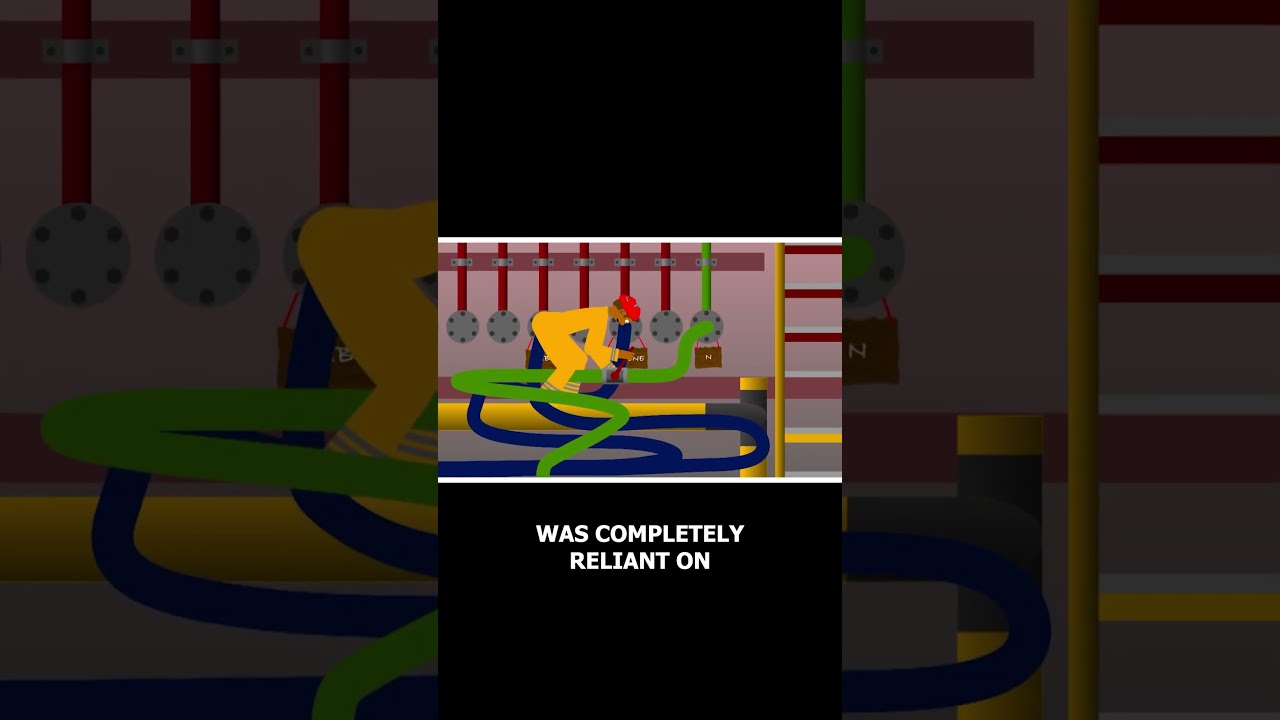
Analysis of the Fairchem Philly accident highlighted a massive disparity between terminal supply capacity and shipboard relief limits. While the vessel's high-velocity valves could only vent 17,000 cubic feet per hour, the shore terminal's nitrogen supply line delivered up to 250,000 cubic feet per hour through an oversized four-inch hose instead of the recommended one-inch fitting.
When crew members opened manual nitrogen valves to clear low-pressure alarms, the massive volumetric influx rapidly overwhelmed the relief valves and ruptured the double-hulled cargo tank. The resulting surge pressurized the surrounding ballast tanks, forcing contaminated sea water through deck vents and introducing oxygen that ruined the entire cargo payload.
#ShipEngineering #MaritimeDisaster #MarineOperations #ChemicalSafety #CasualNavigation
When crew members opened manual nitrogen valves to clear low-pressure alarms, the massive volumetric influx rapidly overwhelmed the relief valves and ruptured the double-hulled cargo tank. The resulting surge pressurized the surrounding ballast tanks, forcing contaminated sea water through deck vents and introducing oxygen that ruined the entire cargo payload.
#ShipEngineering #MaritimeDisaster #MarineOperations #ChemicalSafety #CasualNavigation

Casual Navigation
Your Window Into The Maritime World
Casual Navigation creates content that explores many different aspects of the maritime industry, with the aim of making it fun and interesting for anyone to enjoy.
We publish new videos on the Second and Last Friday o...